
A Reminder That You Are Not Alone This Pride Month
Every Pride Month, we hear stories about coming out. These stories often follow a familiar narrative: someone realizes who they are, tells the important people in their life, and finally gets to live openly and authentically. While that story can be beautiful and empowering, it isn't the whole picture. For many LGBTQ+ people, coming out isn't a single moment. It's a process that unfolds across a lifetime. You may come out to friends but not family. You may be out in your personal life, but not at work. You may be openly queer in one city and more cautious in another. You may have been out for years and still find yourself navigating new decisions about disclosure. Coming out is often less like crossing a finish line and more like continually deciding where, when, and with whom it feels safe to be fully known.
You Don't Have to Be Out Everywhere to Be Authentic
One of the most harmful messages LGBTQ+ people sometimes receive is that being authentic means being completely out in every area of life. The reality is much more complicated.
Many people face real risks when considering whether to come out. Those risks may include:
Loss of housing
Family rejection
Workplace discrimination
Financial instability
Threats to physical or emotional safety
Changes in important relationships
When disclosure could jeopardize your safety or well-being, choosing not to come out in certain spaces is not a sign of shame or weakness. It is often a thoughtful act of self-protection. Survival and authenticity are not opposites. Sometimes authenticity looks like sharing your full self openly. Sometimes authenticity looks like recognizing the realities of your situation and making decisions that prioritize your safety.

The Emotional Cost of Hiding Parts of Yourself
Even when staying private is necessary, it can still be painful. Many LGBTQ+ people describe feeling exhausted from constantly monitoring what they say, who they mention, or how much of themselves they reveal. Over time, this can create feelings of loneliness, isolation, anxiety, or disconnection.
You may find yourself wondering:
Which version of me gets to exist here?
What information is safe to share?
How much energy am I spending managing other people's perceptions?
Where can I finally exhale?
These are not signs that something is wrong with you. They are common responses to navigating environments where safety is uncertain.
Finding Spaces Where You Can Be Fully Yourself
When some parts of life require caution, it becomes even more important to cultivate spaces where you don't have to hide.
That might look like:
Trusted friendships
Chosen family
LGBTQ+ community groups
Affirming online communities
Support groups
Therapy with an affirming clinician
Being fully known by even a small number of people can have a powerful impact on emotional well-being. You deserve places where you don't have to explain, defend, or edit yourself.
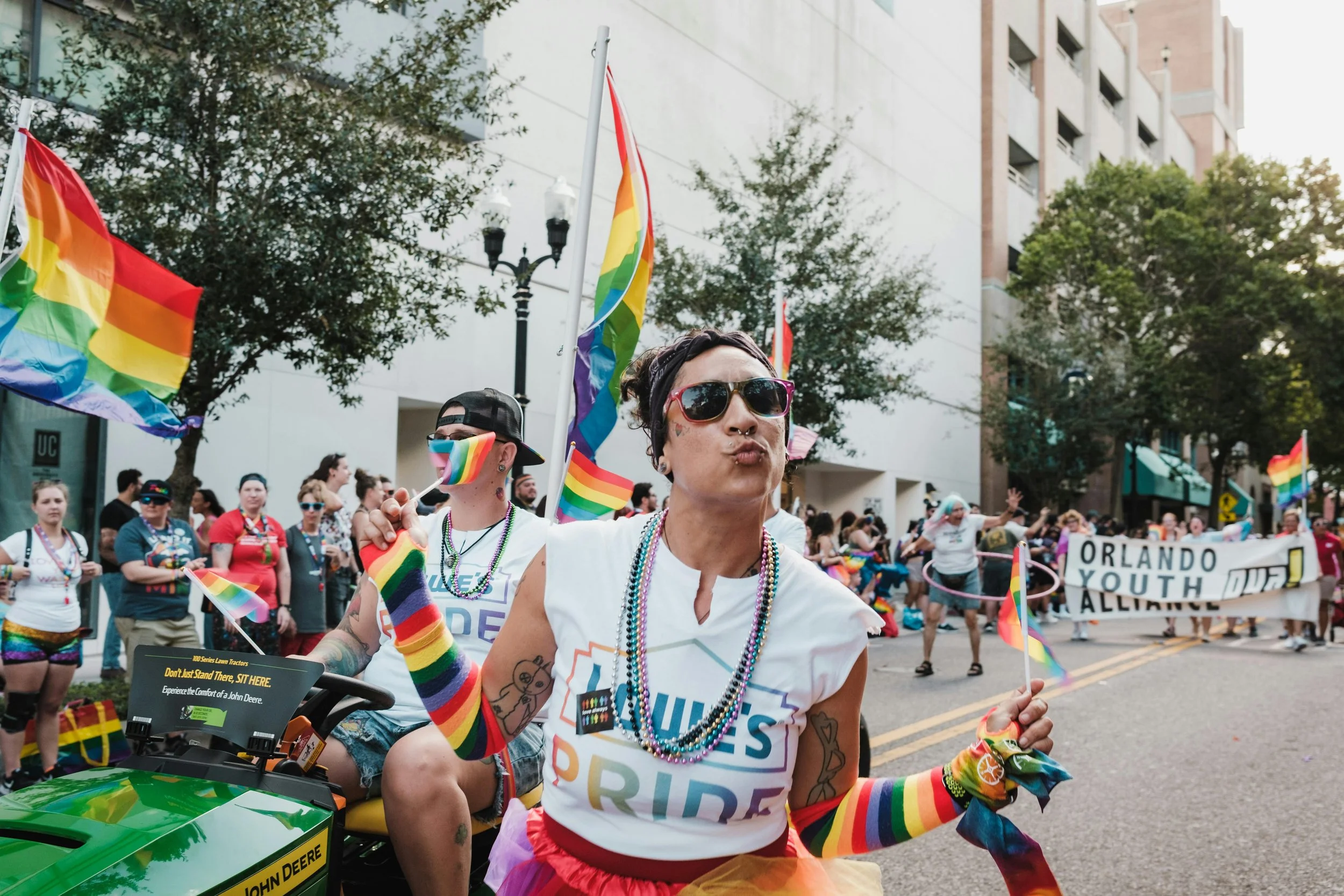
Coming Out Can Happen Again and Again
Many people are surprised to discover that coming out continues long after the first conversation.
A new job. A new doctor. A new relationship. A new neighborhood. A new social group.
Each transition can bring new questions about disclosure, safety, and belonging. This can feel frustrating at times, but it also reflects something important: your identity is not a single event. It is a living part of your life that moves with you through different seasons and circumstances.
Remembering Our Roots
Pride exists because generations of LGBTQ+ people fought for the right to exist openly, safely, and authentically in a world that often denied them those freedoms. The legacy of the Stonewall Uprising reminds us that queer and trans people have always found ways to build community, care for one another, and resist isolation. In the face of brutality and systemic oppression, queer and trans people, particularly Black and Latinx trans women like Marsha P. Johnson, Sylvia Rivera, and Miss Major Griffin-Gracy,stood up and said no more. In today's social and political climate, when many LGBTQ+ individuals may feel discouraged, unseen, or uncertain about the future, Pride serves as an important reminder: you are not alone. There are communities, chosen families, affirming spaces, and people who understand your experiences. Even if there are places where you cannot safely share every part of yourself, there are also places where your identity is welcomed, valued, and celebrated.
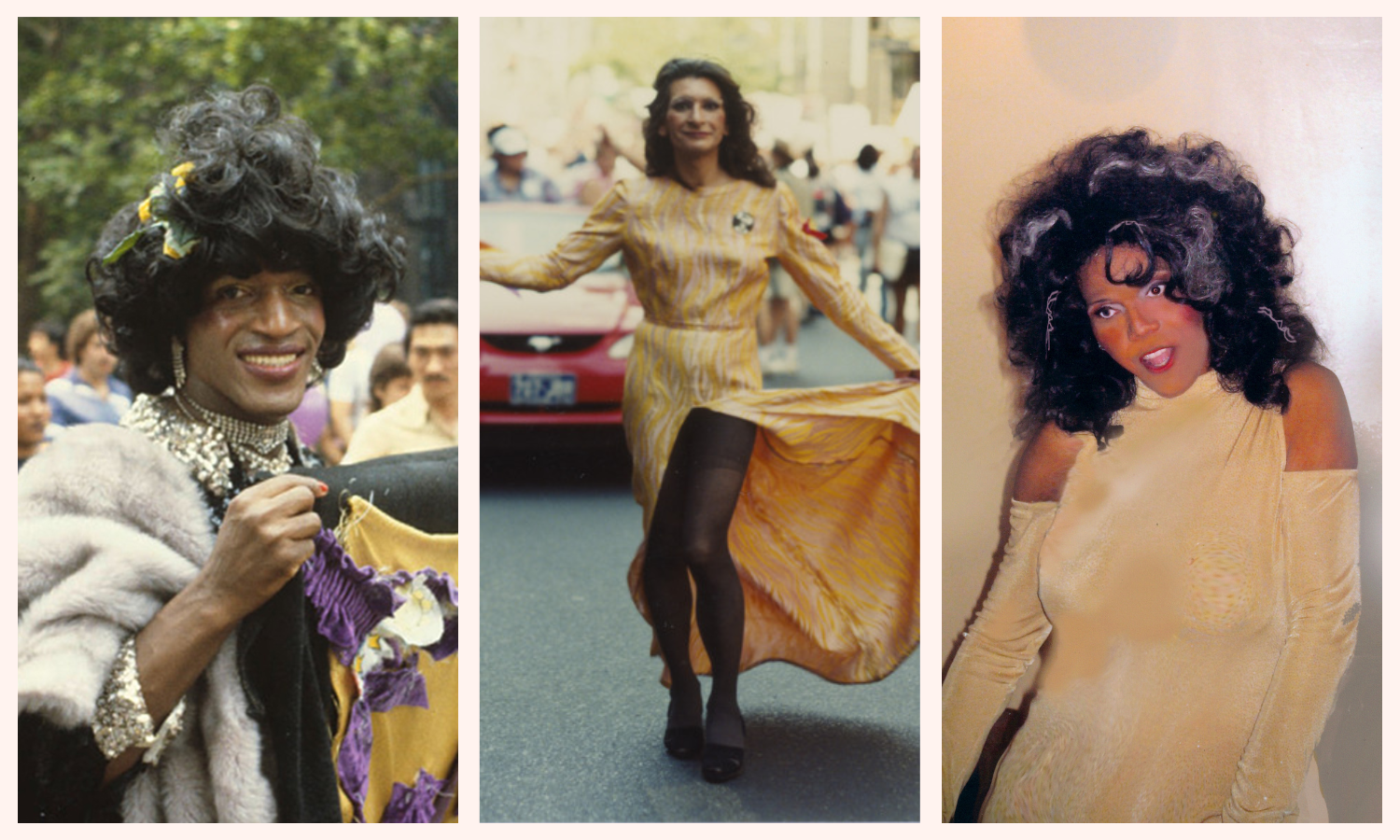
Pictured from left to right: Marsha P. Johnson, Sylvia Rivera, Miss Major Griffin-Gracy
This Pride Month, Honor Your Own Journey
Pride is often associated with visibility, but visibility is not the only measure of authenticity. There is no single "right" way to be LGBTQ+. Whether you are fully out, selectively out, questioning, or navigating difficult circumstances that require caution, your identity remains valid. You do not have to earn belonging by making yourself vulnerable in unsafe spaces. This Pride Month, consider what support, safety, and connection look like for you right now. Your journey deserves compassion, not comparison. And wherever you are in that journey, you deserve spaces where you can show up as your whole self and know that you will be met with respect, affirmation, and care.
Why Choose Self Embrace Therapy
At Self Embrace Therapy, we offer a safe and inclusive therapeutic space where you can find your voice, share your story, and experience the healing power of vulnerability.
A Personalized Approach: My therapeutic approach is grounded in the belief that your healing journey is unique. I tailor my approach to meet your specific needs.
Inclusive, Affirming Care: As a therapist who identifies as lesbian, I understand the significance of creating an environment that welcomes individuals of all diverse identities and sexual orientations. My research and practice are rooted in sexual and gender diversity, ensuring my LGBTQ+ community receives affirming and compassionate care.
A Collaborative Journey: In our collaborative work together, I will guide you towards insights that lead to a deeper understanding of yourself, your relationships, and your ability to advocate for yourself.
Contact me today to schedule a consultation and begin your journey towards growth and self-discovery.