Seasonal Affective Disorder: Why Winter Feels So Heavy After the Holidays
If winter feels especially heavy after the holidays, you’re not alone.
For many people, the hardest part of the season isn’t December, it’s the new year. The shift from bright lights, social gatherings, and constant activity to darker days and quiet routines can create an emotional crash that feels confusing and discouraging.
In some cases, this heaviness may be connected to Seasonal Affective Disorder (SAD), a form of seasonal depression that tends to emerge in late fall and winter. But even for those without a clinical diagnosis, the post-holiday emotional dip is very real.
Let’s talk about why this happens and how to support your mental health during the darker months.
The Post-Holiday Emotional Crash
The holiday season often brings stimulation, even when it’s stressful. There are gatherings, travel plans, family dynamics, decorations, music, and packed calendars. Your nervous system may feel overloaded, but it’s activated.
Then January arrives.
The decorations come down. The invitations stop. The world feels quieter and darker.
That sudden drop in stimulation can feel like emptiness. Without the distraction of busyness, underlying exhaustion may surface. Emotional fatigue that was masked by activity becomes more noticeable. Motivation declines. The shorter days feel heavier.
This shift can intensify symptoms of Seasonal Affective Disorder, including:
Low mood
Increased fatigue or oversleeping
Brain fog and difficulty concentrating
Irritability
Social withdrawal
Reduced motivation
This isn’t laziness or a lack of resilience. It’s often a combination of nervous system depletion and the biological effects of reduced sunlight.
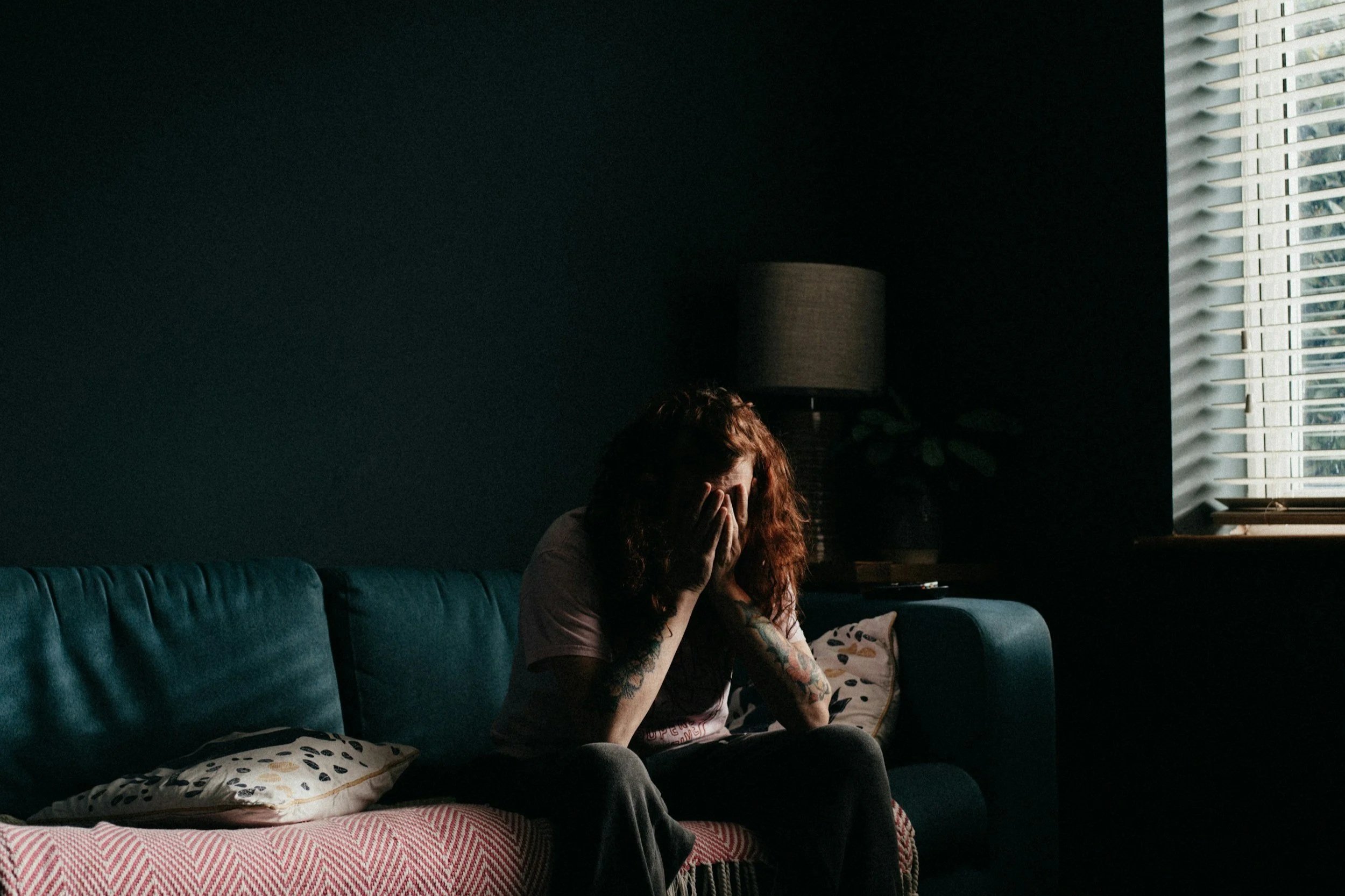
How Reduced Light Impacts Seasonal Depression
Seasonal Affective Disorder is linked to changes in light exposure. When daylight decreases, it can affect:
Serotonin levels, which influence mood
Melatonin production, which affects sleep
Circadian rhythms, which regulate energy and alertness
These shifts can create a noticeable drop in mood and energy during the winter months. If you find yourself feeling like a “different version” of yourself in winter, there is a biological explanation behind that experience.
Understanding this can help reduce self-blame.
Why February and March Can Feel Even Harder
By late winter, many people report a specific kind of emotional depletion.
February and March can bring:
Irritability over small things
Restlessness and impatience
A longing for spring
Frustration with low productivity
Feeling emotionally worn down
You might feel “over winter” before it’s actually over.
This late-winter slump is common. The novelty of the new year has faded. The days are still short. The body has been conserving energy for months. It makes sense that impatience rises.
That impatience doesn’t mean you’re failing to cope. It means you’ve been carrying the weight of winter for a while.
Winter Isn’t Meant to Be a High-Productivity Season
One of the challenges of Seasonal Affective Disorder and winter mental health struggles is cultural messaging.
January is often framed as a time for reinvention. New goals. New habits. Maximum productivity.
But biologically, winter is a season of slowing down.
Shorter days naturally signal the body to conserve energy. The nervous system may crave warmth, quiet, and rest. When we push ourselves to maintain summer-level productivity during winter, we can increase stress and deepen emotional exhaustion.
What if winter isn’t something to fight, but something to move with?
Honoring winter’s rhythm can look like:
Lowering expectations where possible
Adjusting productivity goals
Allowing for more sleep
Creating small rituals of comfort
Spending intentional time reflecting
Rest is not regression. It’s regulation.

Supporting Your Mental Health During the Dark Months
If winter feels especially heavy, gentle support can make a difference:
Prioritize light exposure.
Morning sunlight, even for a few minutes, can help regulate mood and circadian rhythms.
Maintain a consistent sleep schedule.
Oversleeping can worsen fatigue, even though it feels tempting.
Engage in gentle movement.
Low-pressure activities like walking or stretching can support mood without overwhelming you.
Stay connected intentionally.
Isolation can intensify seasonal depression. Small, manageable social touchpoints matter.
Seek therapy or medical support if needed.
If symptoms of Seasonal Affective Disorder are persistent or disruptive, professional support can help you navigate winter with more stability.
You’re Not Weak for Struggling in Winter
If January feels flat.
If February feels endless.
If March brings irritability instead of motivation.
You are not alone.
Seasonal Affective Disorder and late-winter fatigue are real, common experiences shaped by biology, environment, and nervous system rhythms. Feeling heavy during darker months does not mean you’re failing at life.
Winter may be asking something different of you.
Not acceleration.
Not reinvention.
But gentleness.
And sometimes, honoring that slower pace is one of the most supportive things you can do for your mental health.

Why Choose Self Embrace Therapy
At Self Embrace Therapy, we offer a safe and inclusive therapeutic space where you can find your voice, share your story, and experience the healing power of vulnerability.
A Personalized Approach: My therapeutic approach is grounded in the belief that your healing journey is unique. I tailor my approach to meet your specific needs.
Inclusive, Affirming Care: As a therapist who identifies as lesbian, I understand the significance of creating an environment that welcomes individuals of all diverse identities and sexual orientations. My research and practice are rooted in sexual and gender diversity, ensuring my LGBTQ+ community receives affirming and compassionate care.
A Collaborative Journey: In our collaborative work together, I will guide you towards insights that lead to a deeper understanding of yourself, your relationships, and your ability to advocate for yourself.
Contact me today to schedule a consultation and begin your journey towards growth and self-discovery.